
Choosing the right hot water system for your home is an important decision. It can affect your comfort, energy bills, and even the environment. With so many options available, it can be overwhelming to know where to start. But don’t worry, we’re here to help simplify the process for you.
There are various types of hot water systems, each with its own advantages and disadvantages. Depending on your household size, budget, and energy preferences, some systems might be better suited for your needs than others. Knowing a bit about each type can guide you in making the right choice.
In this article, we’ll go over some key tips to help you choose the best hot water system for your home. We’ll look at the different types available, factors to consider, the pros and cons, and how to maintain your system for long-lasting performance. Whether you’re upgrading or installing a new system, these tips will make the process easier and ensure you get the most out of your investment.
Understanding Different Types of Hot Water Systems
When it comes to hot water systems, there are several types to choose from. Knowing the differences can help you pick the best one for your home. Here are the main types:
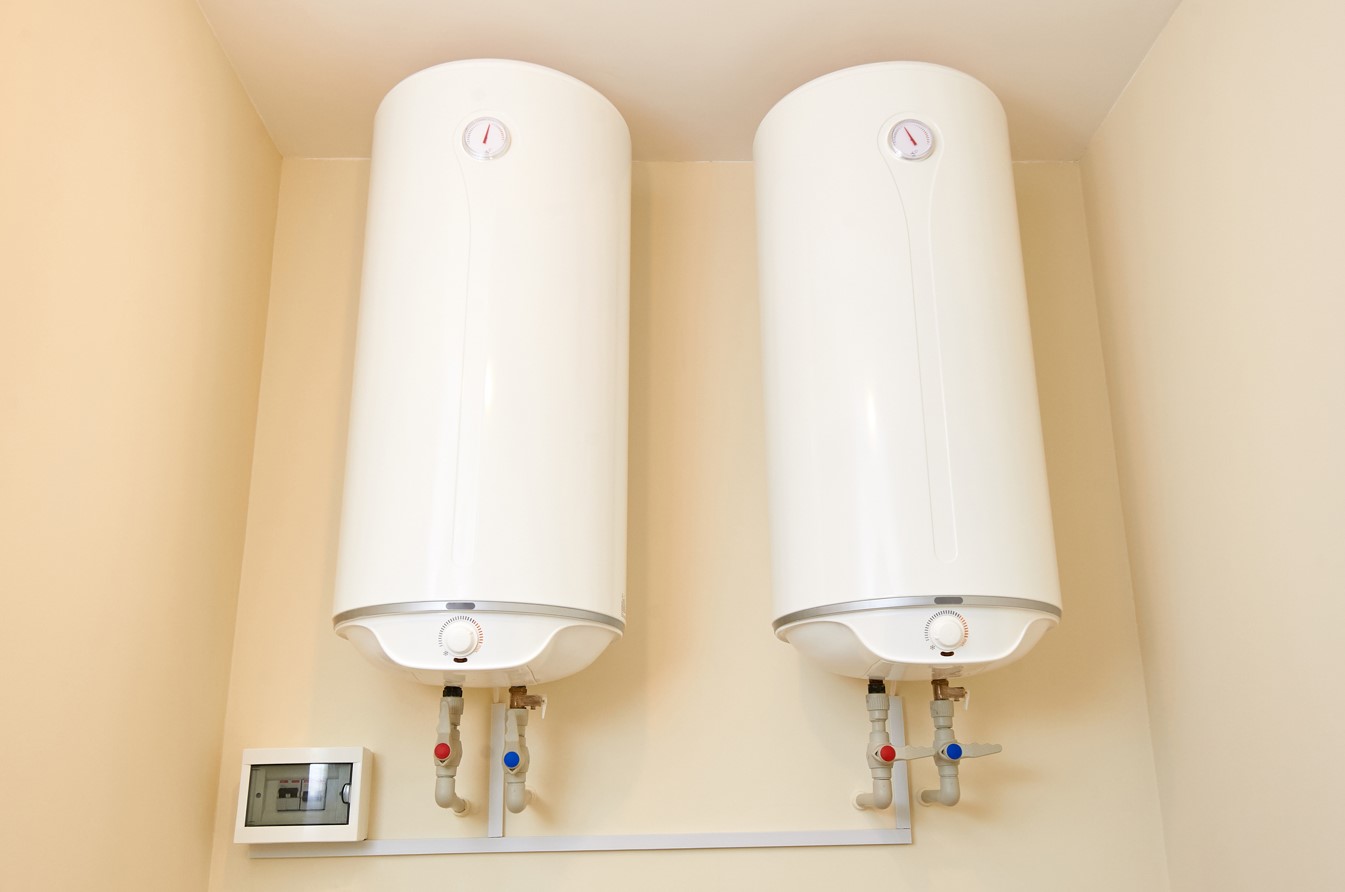
1. Storage Tank Water Heaters: These are the most common type. They keep a tank full of hot water ready to use. When you turn on the hot tap, the water flows out from the tank. They come in different sizes, making them suitable for various household needs.
2. Instant (or Tankless) Water Heaters: Also known as on-demand water heaters, these heat water only when you need it. They don’t store hot water but instead heat it as it flows through the unit. This makes them more energy-efficient, but they might not supply hot water to multiple taps at once very well.
3. Heat Pump Water Heaters: These use electricity to move heat from the air or ground to heat water. They are very energy-efficient but tend to be more expensive to install. They work well in warmer climates but might struggle in colder regions.
4. Solar Water Heaters: These use solar panels to collect energy from the sun to heat water. They are the most eco-friendly option and can save you a lot on your energy bills. However, their efficiency depends on the weather, and they usually need a backup system.
5. Gas Water Heaters: These use natural gas or propane to heat water. They can be either tank or tankless. Gas water heaters generally heat water faster than electric ones and can be more cost-effective, especially if your home already has gas connections.
Each type has its benefits and drawbacks, so understanding these can help you make an informed decision.
Factors to Consider When Choosing a Hot Water System
Choosing the right hot water system involves more than just picking a type. Here are some key factors to keep in mind to ensure you make the best choice:
1. Household Size: The number of people in your home will affect how much hot water you need. Larger households might benefit from a storage tank system, while smaller homes might manage well with a tankless system.
2. Energy Efficiency: Consider how energy-efficient the system is. Higher efficiency usually means lower running costs, which can save you money in the long run. Look for systems with high energy star ratings.
3. Installation Costs: The upfront cost can vary greatly between different systems. While a solar water heater might save on running costs, the installation can be pricey. Make sure to include installation costs in your budget.
4. Running Costs: Think about how much it will cost to run the system over time. Gas and solar systems, for example, often have lower running costs compared to electric systems.
5. Space Availability: Some systems require more space than others. Storage tank systems need room for the tank, while tankless systems take up less space. Heat pumps also require installation space and room for airflow.
6. Climate: The climate in your area can also influence your decision. Solar heaters work best in sunny areas, while heat pumps are more effective in moderate climates. Gas systems can work well in various climates.
7. Maintenance Requirements: Different systems have different maintenance needs. Consider how much maintenance you’re willing to do, or if you’d prefer a system with lower upkeep.
8. Environmental Impact: If being eco-friendly is important to you, look at the environmental impact of the system. Solar and heat pump systems tend to be greener options.
By considering these factors, you can choose a hot water system that best meets your needs and preferences. This careful selection ensures you’re investing wisely in a system that will serve your household efficiently for years to come.
Pros and Cons of Popular Hot Water Systems
Each hot water system has its own set of advantages and disadvantages. Here’s a closer look at the pros and cons of some popular options:
1. Storage Tank Water Heaters:
– Pros: These heaters are reliable and can supply a large volume of hot water. They are usually less expensive to install and have lower upfront costs.
– Cons: They can take up considerable space and constantly heat water, which can increase energy usage. They may run out of hot water during heavy usage.
2. Instant (Tankless) Water Heaters:
– Pros: These heaters are more energy-efficient as they heat water on demand. They have a longer lifespan and take up less space. You’ll never run out of hot water.
– Cons: The upfront cost is higher, and installation can be complex. They might struggle to supply hot water to multiple outlets simultaneously without a drop in temperature.
3. Heat Pump Water Heaters:
– Pros: These are extremely energy-efficient and can lower your electricity bill. They work well in moderate climates and have a good lifespan.
– Cons: They have higher installation costs and require a specific amount of space and ventilation. Their efficiency can drop in colder climates.
4. Solar Water Heaters:
– Pros: These are the most eco-friendly and can significantly reduce your energy bills. They work well in sunny areas and have low operating costs after the initial investment.
– Cons: The setup cost is high, and their efficiency depends on the weather. They often need a backup system for cloudy days or during high hot water demand times.
5. Gas Water Heaters:
– Pros: These heaters generally heat water faster and have lower operating costs compared to electric models. They can work well in most climates.
– Cons: They require a gas connection and can be more challenging to install. There is also the risk of gas leaks, which necessitates regular maintenance and checks.
Understanding these pros and cons will help you weigh your options and choose the most suitable hot water system for your home’s needs.
How to Maintain Your Hot Water System for Longevity
Maintaining your hot water system is key to ensuring its longevity and efficient operation. Here are some simple tips to help keep your system running smoothly:
1. Regular Inspections: Check your hot water system regularly for any signs of wear or leaks. Look around the tank or heater for damp spots, rust, or strange noises.
2. Flush the Tank: If you have a storage tank water heater, flushing the tank every six months helps remove sediment build-up. Sediment can affect the efficiency and lifespan of your system.
3. Check the Pressure Valve: Ensure the pressure relief valve on your tank is working correctly. This valve helps prevent excessive pressure build-up, which can be dangerous.
4. Insulate the Pipes: Insulating your hot water pipes can help maintain the water temperature and improve efficiency. This is especially useful in colder climates.
5. Replace Anode Rods: In systems that use a storage tank, the anode rod helps prevent rusting. Inspect and replace it if necessary, usually every few years, to prolong the tank’s lifespan.
6. Maintain Correct Temperature: Set your water heater to the optimal temperature, typically around 60°C (140°F). This prevents scalding risks and reduces energy consumption.
7. Professional Servicing: Schedule regular maintenance with a professional plumber. They can spot issues you might miss and ensure your system runs efficiently.
8. Clean or Replace Filters: For systems with filters, like heat pump or tankless heaters, clean or replace the filters regularly to maintain efficiency.
Following these maintenance tips can help you avoid unexpected breakdowns and extend the life of your hot water system.
Conclusion
Selecting the right hot water system is essential for your home’s comfort and efficiency. By understanding the different types of systems and considering key factors, you can make an informed decision that suits your needs. Assessing the pros and cons of each system type will help you identify the best option for your household.
Maintaining your hot water system properly ensures it runs efficiently and has a long lifespan. Regular checks, flushing the tank, and professional servicing are simple yet effective ways to keep your system in top condition.
Need expert advice on choosing or maintaining your hot water system? Contact Capital Plumbing Specialists today. Our Canberra plumbers are ready to help you with all your plumbing needs. Call us now to schedule an appointment!

 About Us