
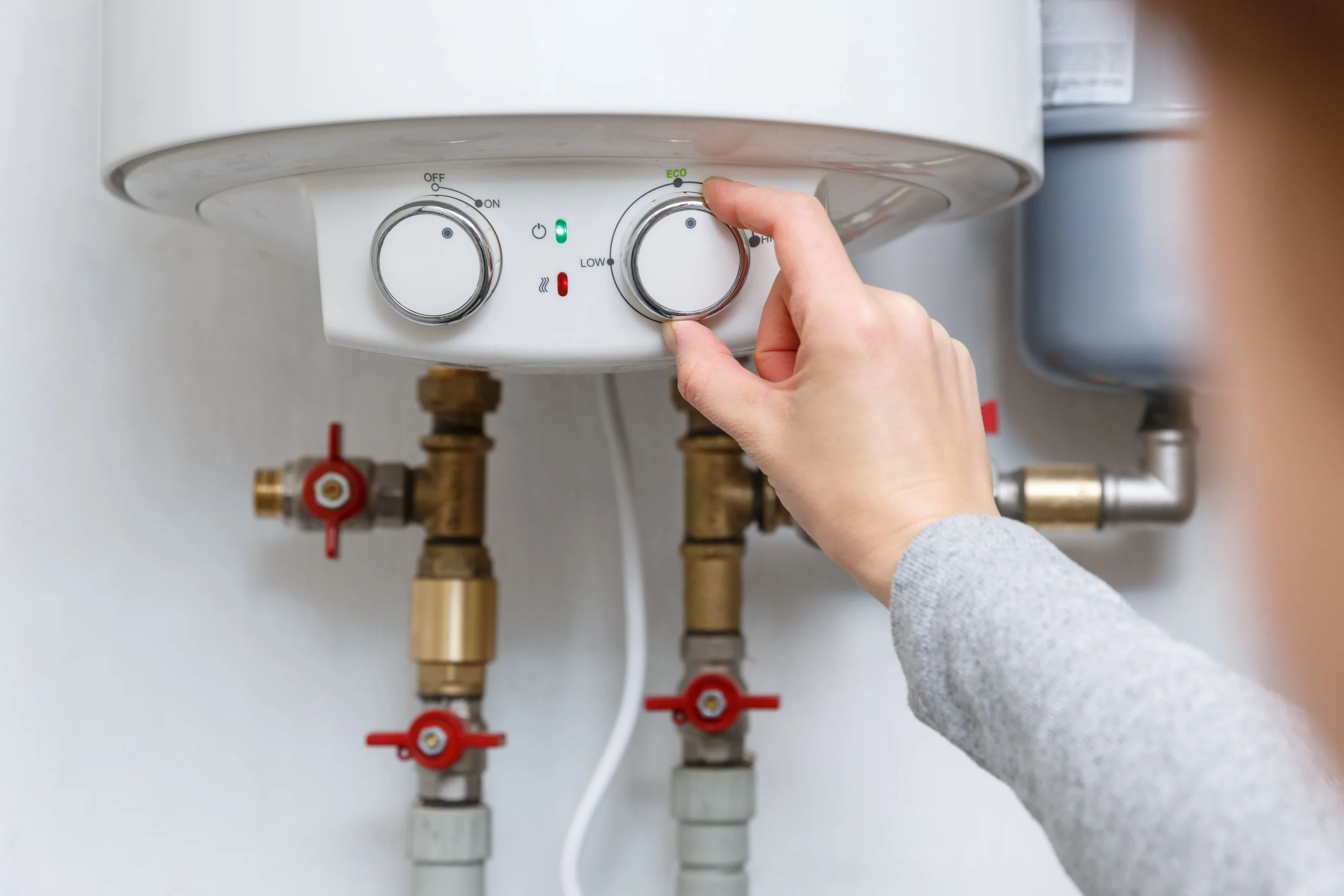
When it comes to maintaining comfort and functionality in your Canberra home, having a reliable hot water system is essential. Whether you’re replacing an outdated unit or installing one in a newly built property, understanding the process of hot water system installation can help avoid unnecessary complications.
Canberra homeowners face specific considerations due to climate, water quality, and territory standards. Choosing a suitable system, whether electric, gas, solar, or heat pump, means balancing efficiency with household needs. But beyond just picking a unit, knowing how installation works can empower you to make informed decisions, communicate effectively with your installer, and ensure that the job aligns with ACT plumbing codes and energy efficiency guidelines.
In this guide, we’ll walk you through a clear, seven-step process to help you understand what’s involved in a hot water system installation in Canberra. Whether you’re planning a replacement or starting fresh, this practical overview is designed to provide clarity and confidence, so you’re well-prepared every step of the way.
Step 1: Choose the Right Hot Water System
The first step is to decide which type of hot water system best suits your home. Options include electric storage, natural gas storage, instantaneous water heaters, heat pumps, or solar-assisted systems. Each has pros and cons:
| System Type | Pros | Cons |
| Electric Storage | Simple setup, no gas connection needed | High ongoing running cost, less efficient |
| Gas Storage | Fast recovery, lower fuel cost than electricity | Requires gas line and ventilation, possible gas leaks |
| Instantaneous (Gas/Electric) | Unlimited hot water on demand | Complex install, limited flow rate |
| Heat Pump | Very energy-efficient (50–70% cheaper to run than gas or standard electric) | Higher upfront cost, needs outdoor space |
| Solar (with backup) | Renewable power, lowest running cost | Depending on sunlight, backup is needed in winter |
Step 2: Check Regulations and Hire a Licensed Plumber
Hot water installation is regulated for safety and quality. In Australia, all new hot water systems must be designed and installed under the Plumbing Code of Australia (AS/NZS 3500.4:2018). This means your installation must meet strict standards for pipework, materials, and hot water safety. Complying with these standards is not optional; it’s the law.
Because of these rules, you must use a licensed plumber for your installation. All plumbing work must be done by someone certified. Licensed plumbers are trained on ACT regulations, ensure correct materials, and can submit permit applications if needed.
Key tasks in Step 2:
- Verify any permit requirements via Access Canberra. For many replacements, a full building permit isn’t needed, but certain upgrades might require notification.
- Confirm your plumber is ACT-licensed. They should provide a license number and a warranty on the work.
- Ensure the plumber will install required safety devices (e.g., tempering/mixing valve) and follow the AS/NZS 3500.4 standard.
By following these regulations and hiring a qualified professional, you avoid costly mistakes and ensure long-term safety.
Step 3: Prepare the Installation Site
With a system and plumber selected, get the area ready before installation day. Safety and clearance are top priorities.
For electric systems, ensure your electrical supply can handle the new heater. Check if an upgrade is needed. The location should be near power and plumbing lines. For gas systems, plan the flue or vent location if needed; gas units often need exhaust clearance. If switching from electric to gas (or vice versa), the plumber will reroute piping and wiring accordingly. Be aware that the ACT government plans to phase out gas; if you install a gas system now, it may one day require conversion or replacement.
Clear the area around the heater. Remove clutter so installers have room. Make sure the plumber can access existing hot and cold water lines, drain, and power/gas lines.
Finally, keep fire safety in mind; some gas systems require flues with proper separation from combustible materials. Follow any clearance guidelines your installer gives.
Step 4: Gather Tools and Materials
Your plumber will bring or arrange most specialized tools, but it’s useful as a homeowner to know what’s involved. Typical tools include pipe cutters, adjustable wrenches, PTFE tape, pipewrenches, screwdrivers, and sealant. They’ll also have a pressure test pump to check for leaks. On your end, make sure to have:
- Space and light: a clear working area with good lighting.
- Access: If the system is in a tight space (roof, garage, cupboard), provide a stable ladder or scaffolding.
- Safety gear: Ensure a safe work environment (e.g., turn off electrical breakers, wear safety boots). Your plumber should have protective equipment and gear for working at heights or with gas.
Step 5: Install the Hot Water System
Now for the core installation work. Your licensed plumber and electrician, if needed, will carry out these tasks, typically over a day or two:
- Remove the old system: Drain and disconnect the existing heater. Dispose of it per local regulations or recycling programs.
- Position the new unit: Mount or place the tank or module per the manufacturer’s instructions. For storage tanks, this means a strong base; for heat pump units, outdoors or in a ventilated area.
- Connect the water lines: Cut and fit new hot and cold pipes to the heater. The hot output will go to your taps, and the cold input will come from the main supply. Use appropriate materials.
- Connect gas or electricity: If it’s a gas system, a licensed gas fitter will fit the gas line, check pressure, and install any flue or ventilation. If electric, the electrician hooks up power cables and breakers. In some cases, plumbers do a 230V hook-up if they have an electrical permit; otherwise, a separate tradesperson finishes the wiring.
- Install safety valves: A tempering valve must be fitted on all new systems to protect against scalding. You’ll also have a temperature-pressure relief valve on the tank. These are non-negotiable.
Throughout the process, the plumber should follow the AS/NZS 3500.4 standard. This covers pipe insulation, check valves, and expansion control. Any solar or heat pump system may involve extra steps like integrating with your solar PV system or configuring timers.
Step 6: Safety Checks and Final Connections
After installation, meticulous testing is critical. Your plumber should perform:
- Water leakage test: All joints, valves, and tap points are pressurized to check for drips. Fix any leaks.
- Gas tightness test (if gas): A pressure test on gas lines must be done. No drop in pressure means no leaks.
- Electrical safety check: Verify earthing, correct breaker size, and no fault currents.
- Temperature setting: Adjust the thermostat so that hot water comes out at 50°C at the tap (even though the tank is set to 60°C for bacteria control). This is done via the tempering valve.
- Flue ventilation (gas): Confirm that the flue vents out properly and clearances are okay.
Step 7: Finalize Installation and Maintain Efficiency
Congratulations, your new hot water system is now installed! Let’s wrap up with a few final steps and maintenance tips.
- Insulate for efficiency: If not already done, insulate the hot water pipes and wrap the tank with an insulating blanket. This keeps the water hotter longer and saves energy. Canberra’s cooler climate means well-insulated systems have noticeable savings.
- Register your warranty: Fill out any warranty cards or online registration from the manufacturer or installer. This ensures free repairs or replacement if something goes wrong.
- Set up a maintenance plan: Even the best systems need care. Schedule a check every 1–2 years with a licensed plumber. They can flush the tank and check valves, and vents. Regular maintenance prolongs system life and maintains efficiency.
- Emergency plan: Ensure everyone in the house knows how to shut off the water and power or gas to the heater, and what to do if they smell gas. Have the contact for your emergency plumber saved in case you need prompt assistance for leaks or system failures.
By following these final steps, your hot water system will run safely and efficiently for years. The combination of proper installation and good maintenance means you’ll enjoy reliable hot water and avoid unexpected breakdowns.
Conclusion
Navigating a hot water system installation doesn’t have to be overwhelming, especially when you understand what to expect. From choosing the right system for your household to ensuring correct compliance and installation, each stage plays a vital role in long-term performance and reliability. By following a structured process, you can minimise disruptions, maintain safety, and get the best value from your investment.
This guide was created to give Canberra homeowners a practical roadmap that demystifies the installation process. With local regulations, environmental conditions, and system efficiency in mind, being informed helps you work more confidently with licensed professionals and ensure your installation meets all necessary standards.
If you’re planning to install or upgrade a system and want reliable workmanship tailored to ACT conditions, Capital Plumbing Specialists is here to help. Our team is licensed for gas and plumbing work, and we provide 24/7 emergency assistance. Reach out to us today for trusted service that ensures long-term reliability.
FAQs:
-
Do I need a licensed plumber to install a hot water system in Canberra?
Yes. Australian regulations require a licensed plumber to install hot water systems. They ensure your installation meets safety standards and can submit required permits. Attempting a DIY installation can be illegal and unsafe.
-
How long does a hot water system installation take?
Most straightforward installations take 4–8 hours. However, time varies by system type and site complexity. Always ask your plumber to estimate the schedule beforehand.
-
Do you offer emergency plumbing services in Canberra?
Yes. Capital Plumbing Specialists provides 24/7 emergency plumbing and gas leak repair across Canberra. Whether it’s a burst pipe, a failed hot water system, or a suspected gas leak, our team is available day and night to respond quickly. We’re fully licensed and ready to handle any urgent plumbing issue with professional expertise.

 About Us